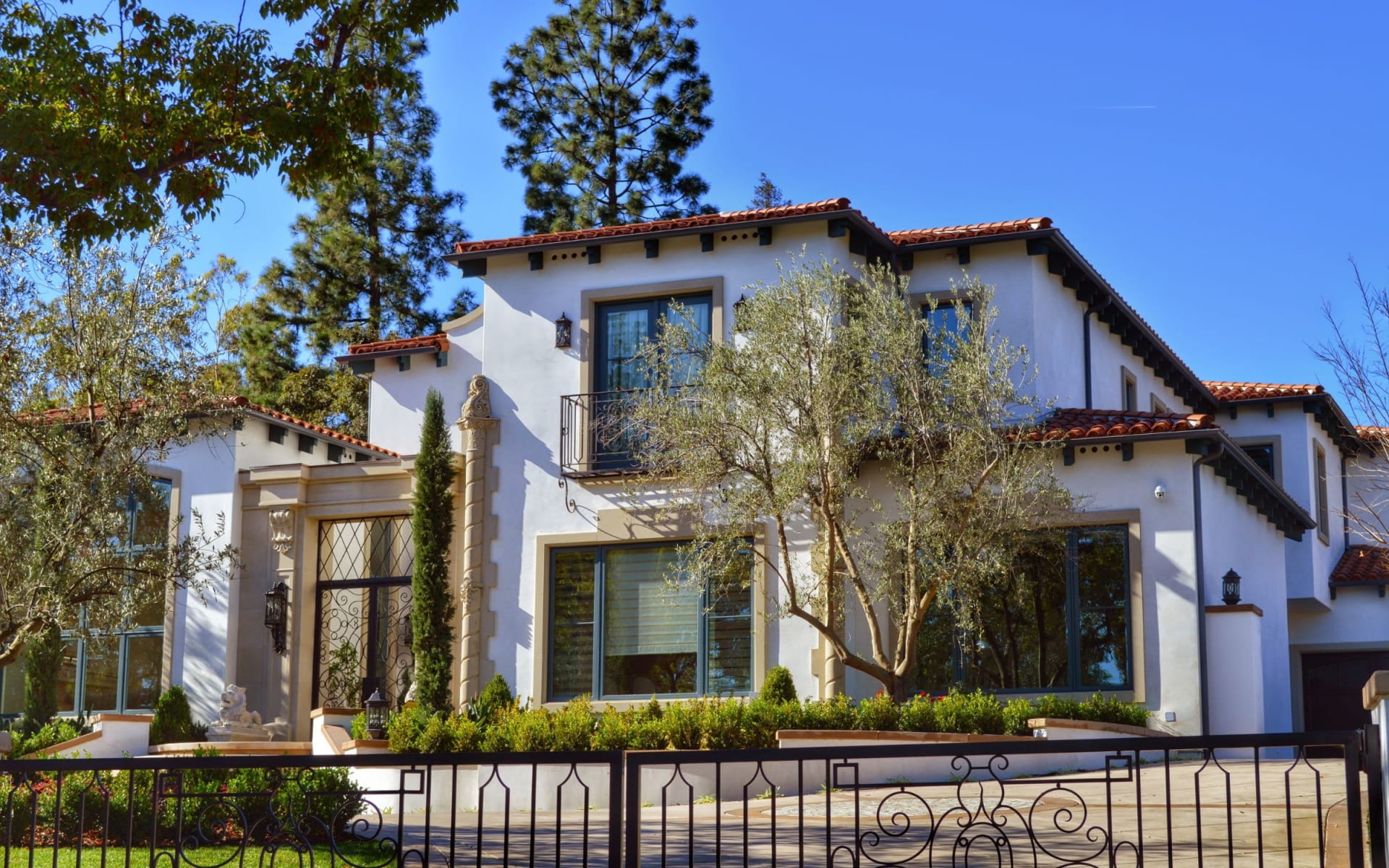
What makes Fullerton storybook homes different?
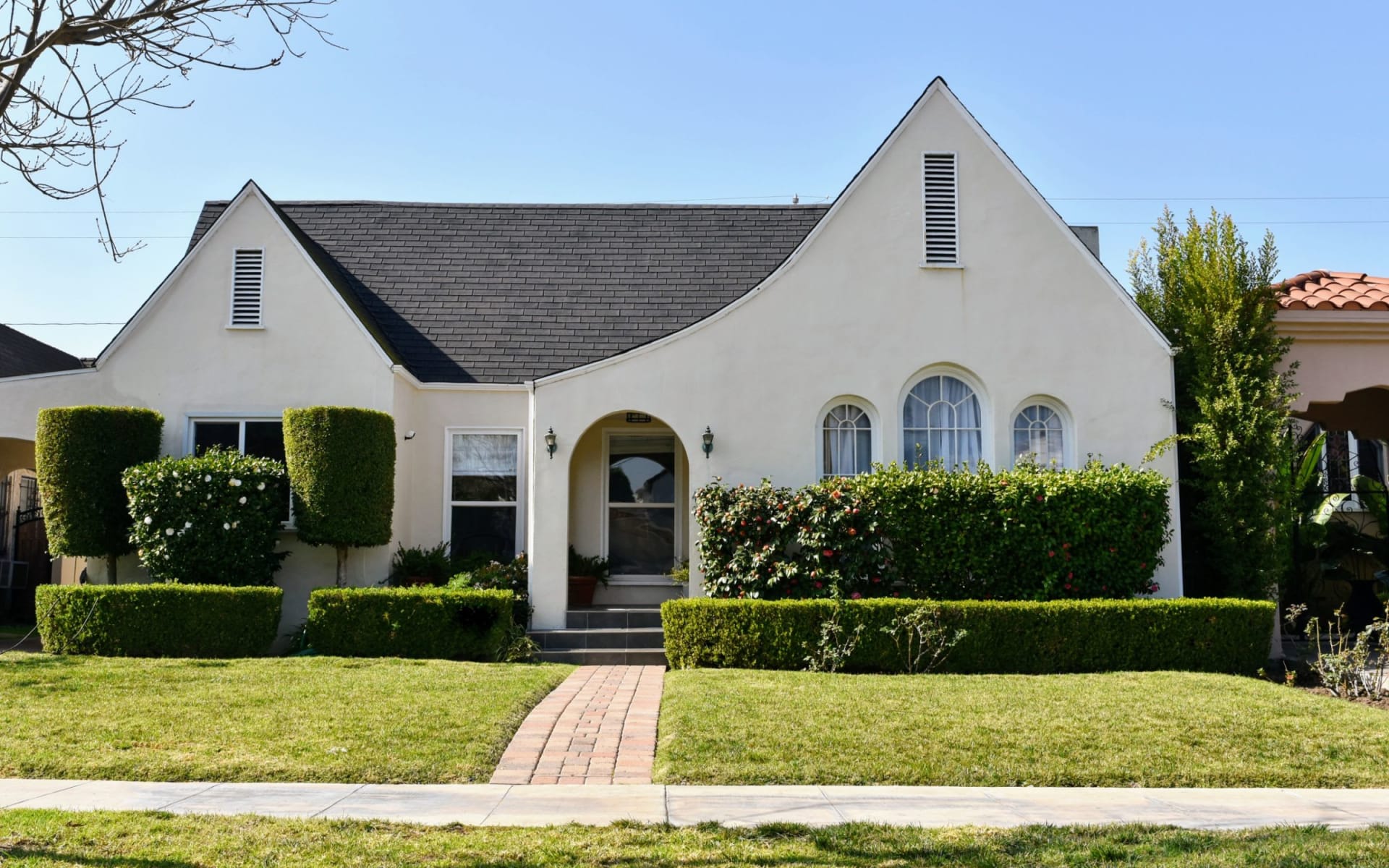
Fullerton Heritage describes the local Storybook Ranch style as a whimsical subtype of the postwar Ranch house, influenced by Jean Vandruff’s Cinderella Home designs. It also makes an important distinction: Fullerton did not contain a franchise development of Vandruff Cinderella Homes. Local examples should therefore be described as Storybook Ranch designs, related interpretations, or imitations—not automatically marketed as authentic Cinderella Homes.
Common traits can include a single-story, wide, asymmetrical façade; a low-pitched gabled roof; an attached garage; and decorative elements such as diamond-pane windows, scalloped fascia, shutters, brackets, dovecotes, window boxes, or catslide roof forms. No single feature proves the style. Later remodels may preserve, reinterpret, or remove original details.
For a specific Fullerton property, separate three questions: What style does it resemble? Is it listed or designated as a historic resource? What physical condition is it in today? Each question needs different evidence.
Does distinctive architecture mean historic protection?
No. A beautiful old house is not automatically designated, and a designated property can be subject to rules that do not apply to a nondesignated one. Fullerton’s Planning Division maintains historic-resource and preservation information, including processes connected with local designation and preservation zones.
Before planning exterior changes, additions, windows, roofing, or demolition, ask the city whether the parcel has a designation or lies within a regulated area. Confirm the current process with the Planning and Building divisions rather than relying on a listing description. If historic status matters to your decision, request written or official documentation.
Historic recognition can be valuable, but it is not a condition report. It does not tell you whether the roof, electrical system, plumbing, foundation, drainage, or HVAC has been updated appropriately.
What should buyers inspect in an older Fullerton home?
Begin with a qualified general inspector and let the property guide specialty follow-up. Older homes can have layers of work from different decades. Ask about electrical panels and wiring, supply and drain materials, sewer lateral, roof and chimney, foundation observations, moisture and drainage, windows, HVAC, insulation, and evidence of additions or conversions.
Treat visual clues as questions, not diagnoses. A sloped floor, patch, crack, stain, or unusual outlet does not prove the cause. It tells you where a qualified professional may need to look more closely.
Research permits through the City of Fullerton’s Building and Safety records, but understand the limits. An online result may not show every historic record, and a permit entry does not by itself prove that all work was completed exactly as expected. Distinguish issued permits from final approvals when the system provides both.
How do you preserve character without buying surprises?
Make a two-column plan. In the first column, list character-defining features you want to retain: windows, roof profile, masonry, millwork, hardware, floor plan, or landscape elements. In the second, list systems and safety items that may need evaluation. This helps you avoid treating every old component as a defect or every charming detail as untouchable.
Ask contractors to explain how proposed work affects original materials and whether permits are required. Verify contractor license status through California’s Contractors State License Board. For insurance, describe the home accurately and ask about roof, wiring, plumbing, replacement-cost, and other underwriting questions before removing contingencies.
Finally, respect that these are private homes. A social-media video can inspire a search, but it should not become a route that encourages people to gather at private addresses.
Frequently asked questions
What makes a Fullerton home “storybook” style?
In Fullerton, the most accurate local reference is usually Storybook Ranch: a playful postwar Ranch subtype associated with the 1950s. No single decorative feature proves the classification, so an architectural historian or qualified preservation professional should evaluate a specific home.
Where are storybook homes located in Fullerton?
Examples appear in multiple parts of Fullerton, and the city offers a Storybook Ranches virtual tour focused on a north Fullerton area east of Las Palmas and Harbor. Current availability still changes, so use current listings rather than treating a tour or social post as an inventory map.
Are all storybook homes historically designated?
No. Verify designation and applicable rules with the City of Fullerton for the specific parcel.
Is an appraisal the same as an inspection?
No. HUD’s buyer guidance states that an appraisal is not a home inspection. Buyers arrange inspections to evaluate condition and major systems.
How can Reframe help?
Reframe can help buyers organize a Southern California home search and compare properties around their stated needs. Historic, structural, permit, insurance, legal, and construction decisions require the corresponding qualified professionals.
Talk with Reframe about evaluating a distinctive Fullerton home as a property and not just as a beautiful exterior.