


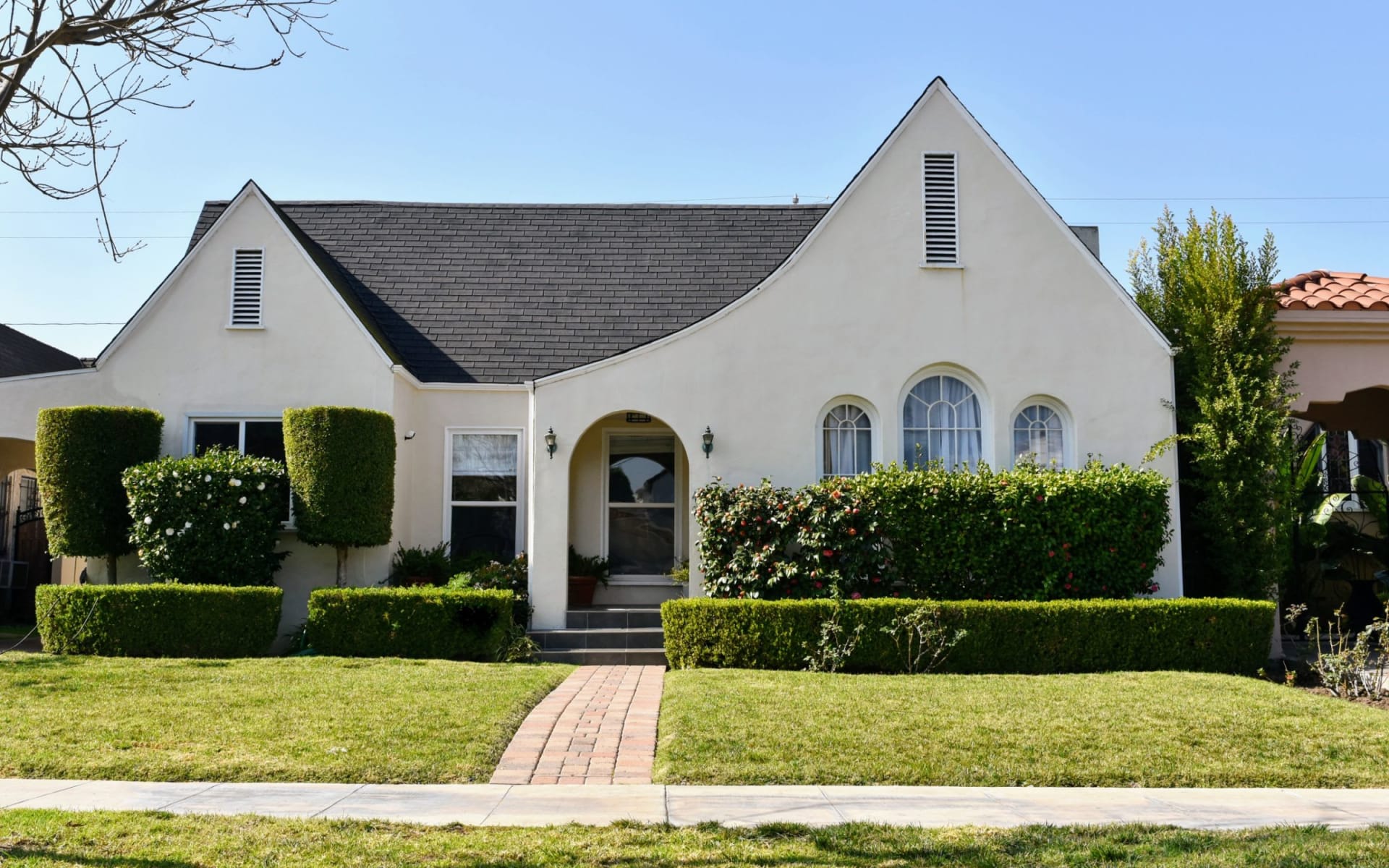


If you are buying new construction in Orange County 2026, the short answer is: compare the complete payment, read the builder’s contract and California public report before you commit, and bring in your own legal, lending, insurance, and inspection professionals. A beautiful model home is useful inspiration, but it is not the final house, final price, or final paperwork.
Start with the community, release, and actual homesite
Orange County new construction is not one uniform market. Current community websites show active or planned offerings around Irvine’s Great Park Neighborhoods and Rancho Mission Viejo in South Orange County, but builders release homes in phases and can change plans, timing, specifications, prices, and availability. Treat every web page and interest-list email as a snapshot, then confirm the exact release directly with the builder.
Before discussing upgrades, identify the specific lot or unit. Ask what surrounds it now and what the approved plans allow nearby: future homes, roads, parks, schools, commercial uses, slopes, utilities, or construction staging. Visit at different times and map the route to the places you actually use. In Irvine, review current Great Park planning information from the City of Irvine; in unincorporated areas, check the relevant Orange County planning records.
Also separate what belongs to the city or county from what belongs to a private association. A community name can cover multiple builders, product types, associations, and tax districts. Documents for the exact parcel—not the model complex—should drive your decision.
Read the builder paperwork before signing or depositing funds
The builder’s sales team represents the builder. You may still choose your own real estate representative, attorney, lender, inspector, and insurance professional. Ask about registration or representation procedures before your first visit, because builder policies can affect whether and how an outside agent participates.
For most new California subdivisions, the Department of Real Estate requires the subdivider to obtain a public report. DRE says that report contains material information such as use restrictions, homeowners association costs and assessments, common areas, and other disclosures. The subdivider must provide it before a buyer becomes obligated to purchase. Read the report itself and confirm that its subdivision, phase, and expiration information match your home.
Have a qualified California real estate attorney review the purchase agreement when legal interpretation matters. Focus on deposit rules, financing and appraisal provisions, construction-change rights, estimated completion, cancellation remedies, dispute procedures, included finishes, solar terms, and the final walk-through process. Do not assume a resale contract’s contingencies are present in a builder form.
Build the complete monthly and move-in budget
The advertised base price is only the beginning. Request a written, homesite-specific worksheet that separates:
- lot or location premiums;
- structural options, design-center selections, and appliance packages;
- landscaping, window coverings, and other after-closing work;
- homeowners association dues and any additional association;
- property taxes, parcel charges, and Community Facilities District or Mello-Roos special taxes, if applicable;
- homeowners, condominium, flood, and earthquake insurance as relevant; and
- lender charges, prepaid items, closing costs, and any builder credits.
California’s Board of Equalization explains that a change in ownership or completed new construction can create supplemental tax bills in addition to the annual bill. The amount is parcel- and timing-specific. Ask the county and your lender how they are estimating taxes; do not rely on the prior owner’s bill or a generic percentage.
Compare the builder’s affiliated-lender offer with at least one independent quote on the same day and with the same assumptions. A credit can be valuable, but only after comparing rate, annual percentage rate, points, fees, mortgage insurance, lock period, and qualification. Require lender review before removing or waiving any financing protection.
Inspect the home and understand the post-closing process
New does not mean inspection-free. Hire an appropriately qualified independent inspector and coordinate access with the builder. Depending on construction stage and permission, your inspection plan may include pre-drywall, completion, and final walk-through reviews. Municipal inspections address code compliance; your inspector evaluates the home for you within the agreed scope.
Create a written list of incomplete, damaged, or nonconforming items. Match installed materials and options to the signed selection sheets. Test systems where permitted, document meter and serial information, and learn how to submit service requests after closing. Ask for the builder’s written warranty, manufacturer warranties, maintenance instructions, and emergency contacts before the keys change hands.
California’s Contractors State License Board notes that special pre-litigation procedures can apply to construction-defect claims involving qualifying new homes and may give a builder an opportunity to inspect and repair before litigation. That is not a substitute for early documentation or legal advice. If a serious problem appears, preserve records and consult a qualified attorney promptly.
Finally, obtain an insurability review and real quote early. Coverage availability and underwriting can vary by address and property characteristics. A lender’s insurance requirement is not a promise that coverage will be affordable or broad enough for your needs.
FAQs and your next step
Do I need my own agent for an Orange County new build?
It is optional, but an experienced buyer representative can help compare homesites, documents, costs, and alternatives. Ask about the builder’s registration policy before visiting, and remember that legal, lending, inspection, and insurance questions belong with the relevant licensed professionals.
Can I negotiate with a builder in 2026?
It depends on the exact community, release, and builder. Ask for current written terms and compare base price, lot premium, options, credits, financing costs, and completion timing together. Never assume an incentive is available until it appears in signed documents.
Should I waive an inspection because the city inspected the home?
No blanket waiver is prudent. Government and independent inspections serve different purposes. Discuss timing and scope with your own inspector and preserve your contractual access rights.
What should I receive before signing?
At minimum, request the purchase agreement and addenda, the applicable DRE public report, HOA and governing documents when relevant, a homesite-specific price sheet, tax and special-assessment information, warranty materials, and financing disclosures. Your attorney and lender may request more.
Ready to compare an OC new build without getting swept up in the model-home moment? Reframe can help you organize community options, total-cost questions, and a due-diligence timeline—while your attorney, lender, insurer, and inspector provide their specialized reviews. Contact Reframe before your first builder visit so representation procedures can be checked early.