


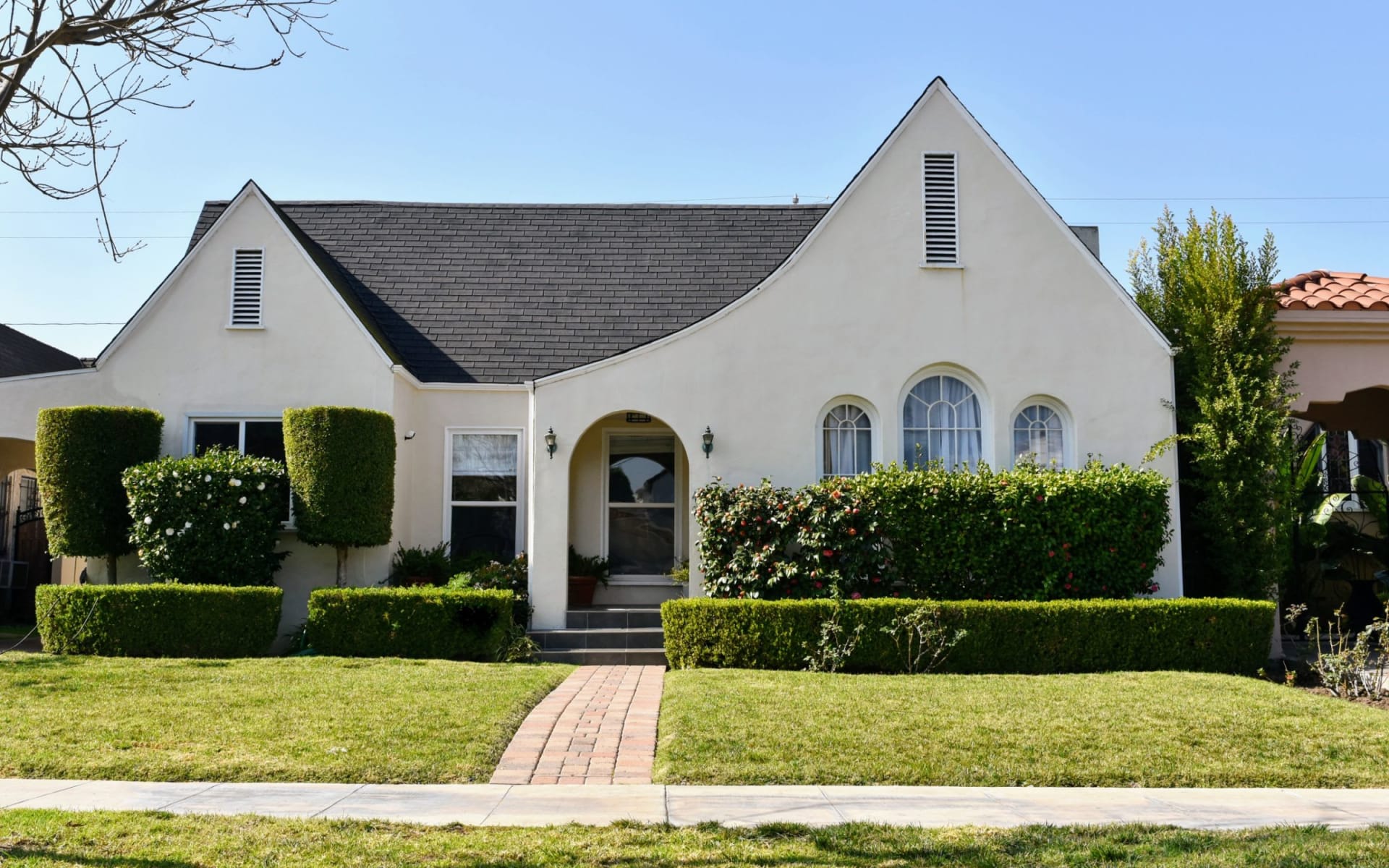


What deserves attention when buying an older home in Southern California?
Start with the major systems and site conditions: roof, electrical, supply and drain plumbing, sewer, foundation observations, drainage, HVAC, windows, insulation, and moisture. Materials and practices changed over decades, and previous owners may have updated some components but not others.
Ask the inspector to explain the visible condition, limitations of the inspection, and any recommendation for specialty review. A general inspection may not include a sewer camera, roof certification, chimney inspection, pool evaluation, invasive testing, engineering, or every other specialty. Scope varies by provider and property.
Do not convert a visual clue into a diagnosis. A crack, stain, sloped floor, patched wall, warm room, or creak can have multiple causes. Use it to decide what qualified professional should investigate.
How do disclosures and permits fit together?
Seller disclosures provide information required for the transaction, but they do not replace inspection. Read them early, compare them with what you observe, and ask focused follow-up questions. Desired contingencies and special conditions should be addressed in the offer with your agent and, when needed, legal counsel.
Permit research can help identify recorded work. Use the correct city or county authority for the parcel. Online databases may not include every older record, and no search result does not prove that work was unpermitted. When a record exists, distinguish a permit that was issued from work that received final approval.
If an addition, conversion, wall removal, panel change, window replacement, or major system update affects your decision, request documentation and appropriate professional review.
Is an appraisal enough?
No. HUD’s consumer notice is direct: an appraisal is not a home inspection. The appraisal or valuation serves the lender’s collateral process; it is not a comprehensive condition assessment for the buyer.
The buyer arranges inspections and chooses the professionals. Inspection findings can inform further evaluation, negotiations, contingency decisions, and future maintenance planning, subject to the contract and advice of the appropriate professionals.
Insurance is another separate review. Ask for a property-specific quote early. Roof age, electrical or plumbing characteristics, prior claims, location, and other underwriting factors may matter. An inspector does not bind coverage, and an insurance quote does not certify condition.
Build a property-specific due-diligence plan
Use this order:
- Read disclosures and available reports.
- Walk the site, not only the interior; observe drainage, grading, trees, retaining features, and exterior transitions.
- Hire a qualified general inspector.
- Follow material recommendations with the correct specialist.
- Research permits and contractor licenses where relevant.
- Confirm insurance and financing before removing applicable contingencies.
- Separate immediate safety or function issues from optional modernization.
Budget in layers: urgent work, near-term maintenance, and preference upgrades. A dated kitchen may be functional; a recently styled kitchen may hide older systems. Cosmetics and condition are not the same thing.
Frequently asked questions
Is a 60-year-old house too old to buy?
Not by itself. Current condition, maintenance, alterations, site, materials, and your budget matter more than the birthday.
Which specialty inspections might be appropriate?
Depending on the property and general-inspection findings, buyers may consider sewer, roof, chimney, foundation or engineering, electrical, plumbing, HVAC, pool, drainage, pest, environmental, or other specialist reviews. Scope and need are property-specific.
Can permit records prove all work is legal?
No. They are one source. Records may be incomplete, and an issued permit is not necessarily final approval. Ask the responsible agency about the specific parcel and record.
Is an appraisal a home inspection?
No. They serve different purposes. Arrange an independent inspection for condition information.
What can Reframe do?
Reframe can help a buyer organize the home-search and transaction questions and discuss appropriate next steps with the team. Condition diagnoses belong to inspectors and specialists; legal, tax, insurance, and lending decisions belong to the corresponding professionals.
Talk with Reframe about building a property-specific due-diligence plan with qualified inspectors and other professionals.